A/B Testing Email Campaigns: A/B Testing Email Campaigns: What to Test and What Moves the Needle
A/B testing framework for email marketers — subject lines, send times, CTAs, and content — with real data on what works.
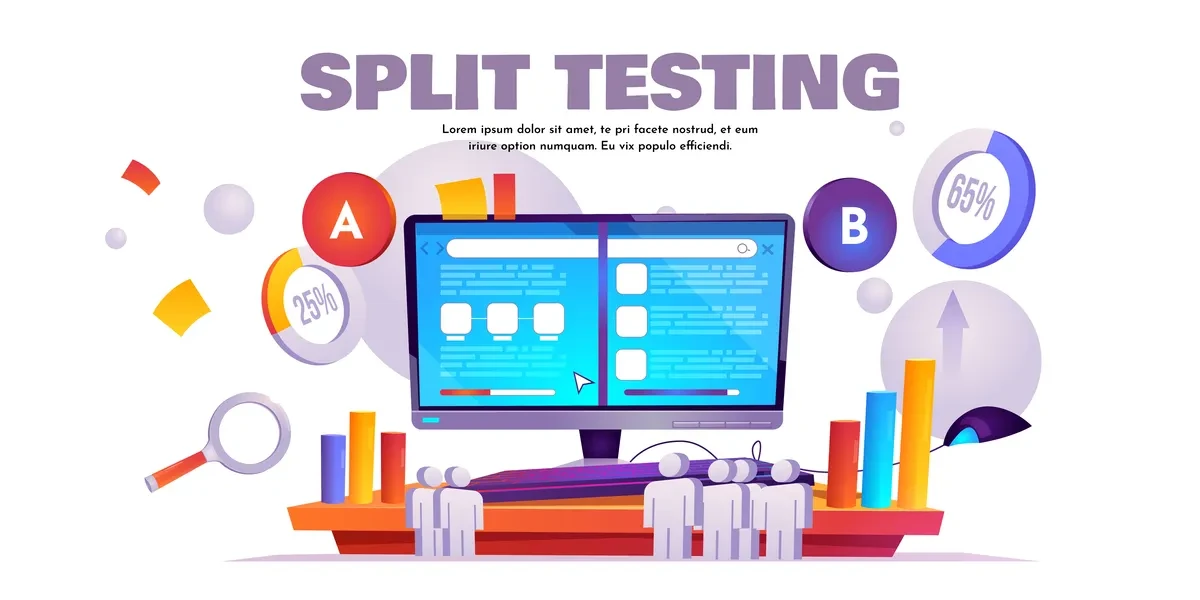
Why A/B testing is the fastest path to higher email revenue
Most marketers guess at what works. A/B testing removes the guesswork by letting data decide which subject lines, send times, and calls-to-action drive the highest engagement. Even small improvements — a 5% lift in open rate — compound across thousands of sends into significant revenue gains.
The beauty of A/B testing is its simplicity. You test two variants against a portion of your list, measure the results, and deploy the winner to the remainder. No expensive tools required, no complex setup. Just structured experimentation that improves every campaign you send.
If you send 10,000 emails per month and improve your click rate from 2% to 2.5%, that is 50 additional visitors to your landing page every month — without sending a single extra email. That is the power of systematic optimization.
What to test first — highest-impact elements
Subject lines have the single biggest impact on open rates because they determine whether anyone reads your email at all. Test question vs statement formats, short vs long phrasing, and personalized vs generic wording. A question like 'Struggling with deliverability?' consistently outperforms generic statements.
After subject lines, test send time next. The difference between a Tuesday 8 AM send and a Wednesday 2 PM send can be 15-20% in open rate. Test CTA button text third — 'Start Free Trial' vs 'See How It Works' can shift click rates by double digits.
Test email length fourth. Some audiences prefer concise emails under 100 words. Others engage more with detailed content. There is no universal answer — only your audience's behavior can tell you what works. Always test one variable at a time so you know exactly what caused the difference.
Understanding statistical significance
Never declare a winner before reaching 95% statistical significance. This means there is less than a 5% probability the result happened by chance. With a list under 1,000 contacts, most A/B tests cannot reach this threshold — the sample size is simply too small.
Use a sample size calculator before launching any test. For a 5% improvement with 95% confidence, you need roughly 5,000 recipients per variant — 10,000 total. If your list is smaller, test less frequently and combine results across multiple campaigns.
Run one test at a time. Testing subject line AND send time simultaneously creates a confounding variable problem. If variant B wins, you cannot tell whether the subject line or the send time drove the improvement. Change one thing, measure, then move to the next variable.
Advanced testing strategies
Once you have tested the basics, move to advanced elements: preview text, email design (plain text vs HTML), personalization depth (first name only vs company-specific details), and social proof placement. Each of these can produce 5-15% improvements when optimized.
Test segment-specific variations. Your enterprise prospects may respond differently than SMB contacts. A subject line that works for cold outreach may fail for nurture campaigns. Run separate A/B tests for each segment and campaign type.
SpaceCRM's A/B testing dashboard lets you run split tests across email, LinkedIn, and WhatsApp sequences. Test subject lines for email, connection request notes for LinkedIn, and message copy for WhatsApp — all from one platform with unified reporting.
Common A/B testing mistakes to avoid
Mistake 1: Testing too many variables at once. If you change the subject line, CTA, and email body simultaneously, you have no idea what drove the result. Always isolate one variable per test.
Mistake 2: Stopping tests too early. A test that reaches 70% significance looks compelling but is statistically unreliable. Wait for 95% significance before deploying a winner — premature conclusions waste your optimization effort.
Mistake 3: Ignoring sample bias. Testing only on your most engaged contacts skews results. Randomize your test groups across the full list to get an accurate picture of what works for your entire audience.
Building a testing culture in your team
Document every test: hypothesis, variant details, sample size, results, and conclusion. Build a swipe file of winning subject lines, CTAs, and send times. Over six months, this becomes your most valuable marketing asset — a playbook built on your audience's actual behavior.
Use SpaceCRM's built-in A/B testing to automate split sending and auto-deploy the winner to the remaining list after a set time period. This removes manual work and ensures every campaign runs a test — even if the team forgets to set one up.