Cold Email Sequence: How to Write a Cold Email Sequence That Gets Replies in 2026
A step-by-step framework for cold email sequences — subject lines, body copy, and follow-up timing that converts.
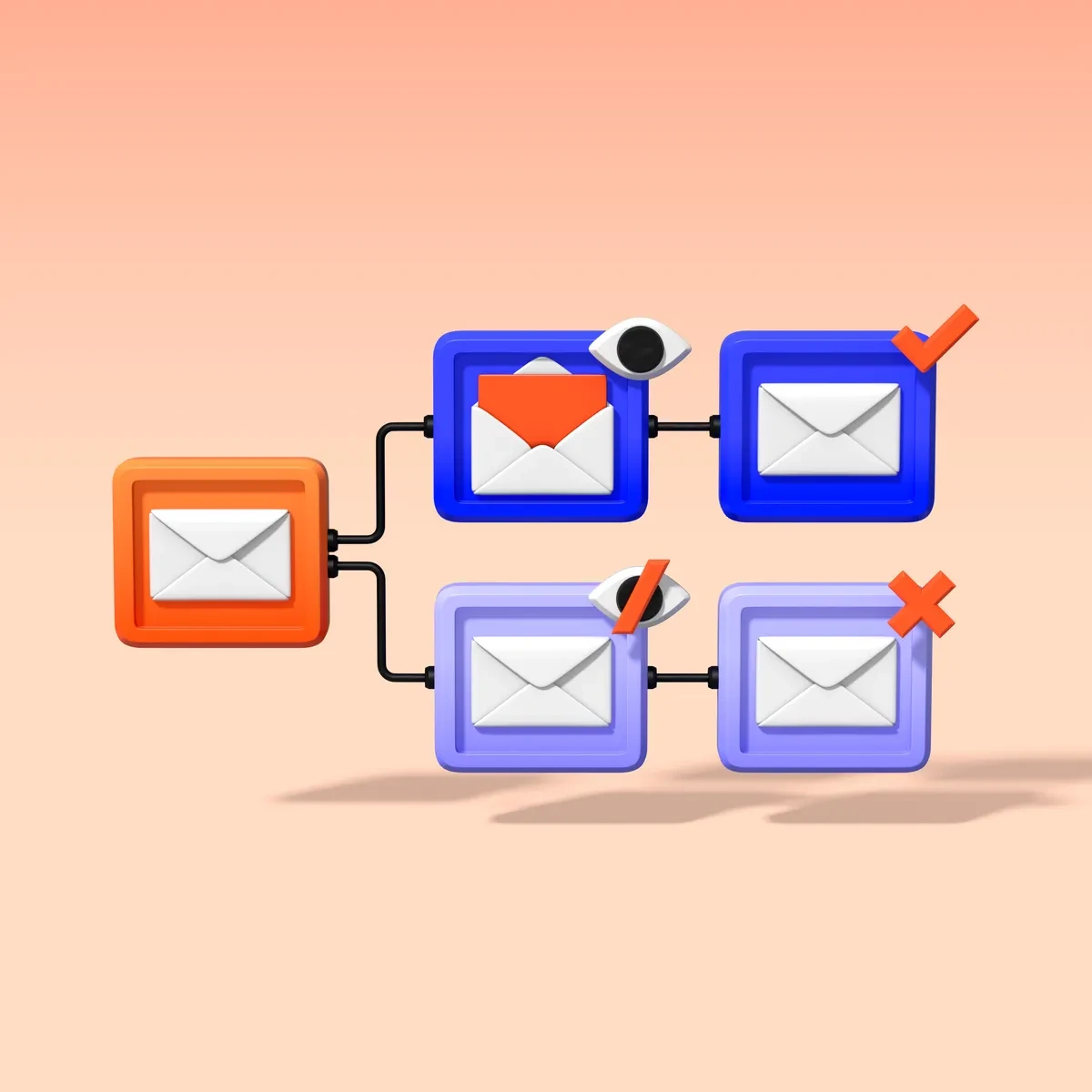
Why most cold email sequences fail
Most replies come on the 3rd or 4th follow-up, yet most senders give up after one attempt. Studies show that 80% of sales require 5 or more follow-ups, but 44% of salespeople give up after just one email. The gap between effort and result is where most cold email campaigns die.
A cold email sequence is a structured series of messages sent over 2-3 weeks. Each email should build context and add value — not just repeat the same pitch. The goal is to start a conversation, not close a deal in the first email.
Keep every email under 150 words and use one CTA per message. Shorter emails get higher reply rates because they respect the prospect's time. If your email takes more than 30 seconds to read, it's too long.
The 5-touch sequence structure
- 01
Day 1 — Personalized opener
Short, specific, under 75 words. One ask. Reference something real about the recipient.
- 02
Day 3 — Case study or result
Add a relevant customer story or specific number. Builds credibility without pitching.
- 03
Day 7 — Different pain point angle
Try a new hook. Re-engage with a fresh observation or use case they haven't seen.
- 04
Day 12 — Social proof
Mention a relevant customer or peer. One short paragraph is enough.
- 05
Day 18 — Polite breakup email
Close the loop. 'Should I stop following up?' Often the highest-reply touch in the sequence.
Subject lines that get opened
The best cold email subject lines are specific and conversational. They don't sound like marketing — they sound like a colleague reaching out. Examples: 'quick question about [company]', '[mutual connection] suggested I reach out', '[result] for [similar company]'.
Avoid clickbait, ALL CAPS, and excessive punctuation. These trigger spam filters and destroy trust before the email is even opened. Keep subject lines under 50 characters — shorter subjects get higher open rates on mobile.
Test 2-3 subject lines per campaign using A/B testing. A 5% improvement in open rate compounds significantly across thousands of contacts. Over 10,000 sends, that's 500 more conversations — and potentially 50-100 more deals.
Body copy that gets replies
Open with a personal observation, not a pitch. 'I noticed your team just launched [feature] — congratulations.' Then bridge to a relevant problem: 'When teams launch [feature], they usually struggle with [problem]. Is that happening for you?'
Keep paragraphs to 1-2 sentences. Use line breaks between paragraphs for readability. Plain text outperforms HTML in cold outreach because it looks like it came from a real person, not a marketing platform.
End with a low-friction CTA. Instead of 'Let's schedule a 30-minute call,' try 'Would this be worth a 5-minute chat?' Lower commitment CTAs get 2-3x higher reply rates because they reduce the prospect's perceived risk.
Follow-up timing and persistence
Space your follow-ups 2-3 days apart for the first 3 emails, then 5-7 days apart for the remaining touches. This cadence stays top-of-mind without being annoying.
Never follow up without adding new value. Each email should introduce a new insight, case study, or perspective. If you're just saying 'bumping this to the top of your inbox,' you're wasting the prospect's attention.
Know when to stop. After 5-6 emails with no response, the prospect isn't interested — move on. Continuing to email after the breakup message damages your sender reputation and increases spam complaints.
Measuring sequence performance
Track these metrics for every sequence: open rate (target: 50-70%), reply rate (target: 5-15%), and positive reply rate (target: 2-5%). If your open rate is below 40%, fix your subject lines. If your reply rate is below 3%, fix your body copy.
A/B test one variable at a time — subject lines, then body copy, then CTA. Changing multiple variables simultaneously makes it impossible to know what drove the improvement.
SpaceCRM's pipeline reporting ties every closed-won deal back to the originating sequence, so you know exactly which sequences produce revenue — not just replies.