Email Drip Campaign Software: Email Drip Campaign Software: 10 Tools That Automate Your Follow-Ups
Compare the best email drip campaign software for 2026. Automate follow-ups, nurture leads, and increase reply rates with intelligent email sequences.
Why drip campaigns outperform one-off blasts
A drip campaign sends a pre-written sequence of emails triggered by user behaviour or time intervals. Unlike bulk blasts, drip campaigns personalise timing and content based on how each lead interacts with your messages.
Drip sequences achieve 80% higher open rates than single-send campaigns because each touchpoint is relevant to where the lead is in the buying journey. A lead who just downloaded a pricing guide gets different content than one who only read a blog post.
The real advantage is compounding automation. Once built, a drip campaign runs indefinitely — nurturing new leads without additional manual effort. Your team focuses on closing deals while the sequence qualification and warms prospects in the background.
Key features to evaluate in drip campaign software
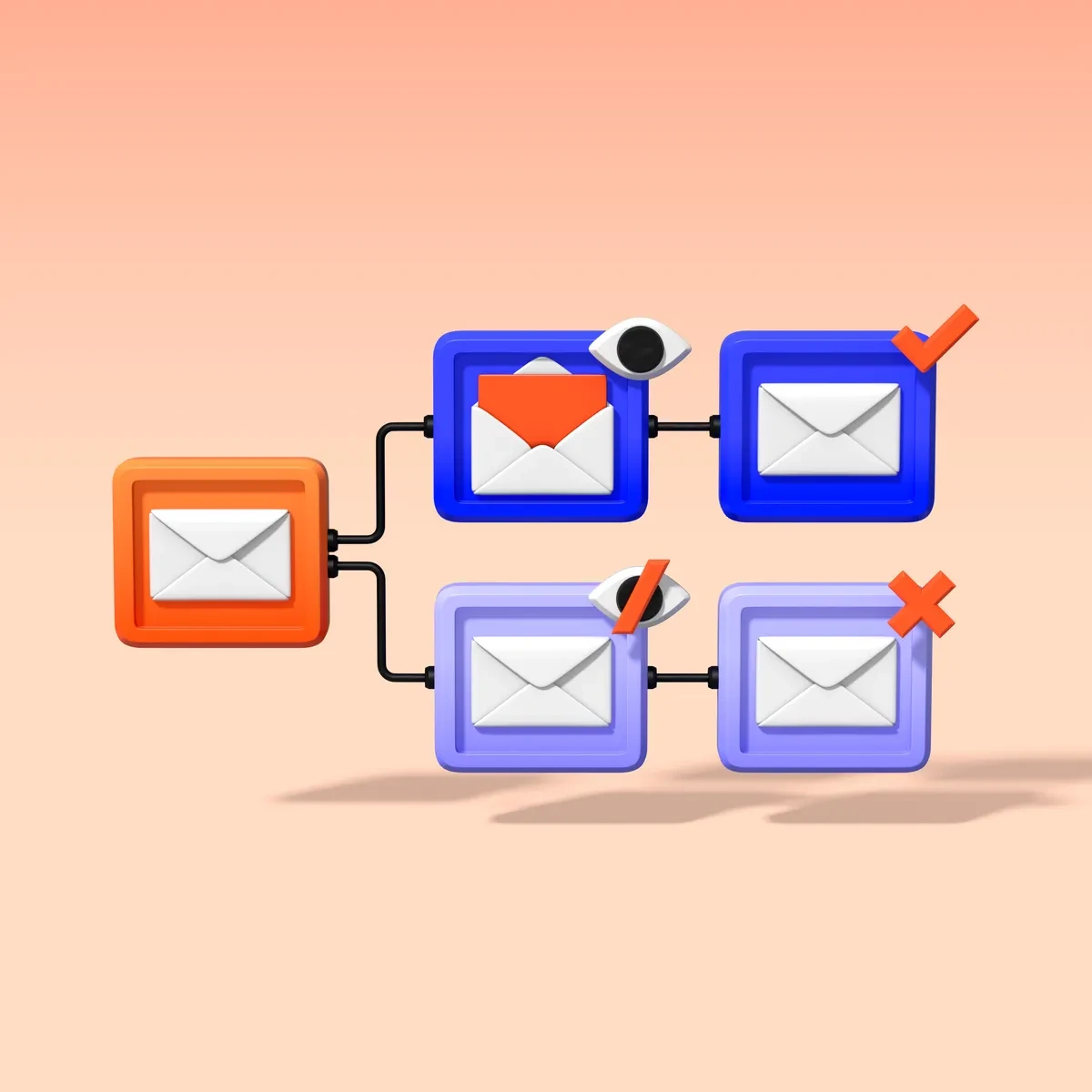
Look for behaviour-based triggers — not just time delays. The best tools let you start a follow-up sequence when a prospect opens an email, clicks a link, or visits a pricing page. Behaviour triggers convert 3-5x better than time-based triggers alone.
A/B testing is non-negotiable. Run subject line and body copy variants on every sequence to continuously improve performance without manual analysis. The best platforms auto-deploy winners to the remaining list after statistical significance is reached.
Segmentation capabilities determine whether your sequences feel personal or generic. Look for software that segments by engagement level, funnel stage, industry, and company size. The more granular your segments, the more relevant your messaging — and the higher your conversion rates.
Designing drip sequences for every funnel stage
Top-of-funnel sequences focus on education and trust. Send 3-4 emails over 2 weeks with valuable content — industry insights, how-to guides, and relevant case studies. No hard sells. The goal is to establish credibility and keep your brand top-of-mind.
Mid-funnel sequences introduce your solution and its differentiation. Send 2-3 emails over 1-2 weeks with product-specific content — feature comparisons, ROI calculators, and customer success stories. The CTA shifts from 'learn more' to 'see it in action.'
Bottom-funnel sequences drive conversion. Send 2-3 emails over 1 week with urgency and social proof — limited-time offers, onboarding previews, and direct calendar links. The CTA is specific: 'Book your onboarding call' or 'Start your free trial.'
How SpaceCRM handles drip campaigns
SpaceCRM's sequence builder combines email, LinkedIn, and WhatsApp steps in a single drip workflow. You can set behaviour-based triggers across all three channels from one dashboard. A prospect who opens your email but does not reply can automatically receive a LinkedIn follow-up.
Start with a free tier up to 500 contacts. No credit card required. Built-in deliverability tools warm your domain automatically before you send your first drip sequence. This eliminates the warmup bottleneck that delays most drip campaign launches.
SpaceCRM's AI assistant generates email copy for each step of your drip sequence based on your product, target audience, and campaign goal. SDRs review and customise before launching — the AI handles the first draft, humans handle the personal touches.
Common drip campaign mistakes
Mistake 1: Setting and forgetting without optimising. Drip campaigns need regular review. Check drop-off rates at each step monthly — if a specific email has high unsubscribe rates, rewrite it. Continuous optimisation compounds performance over time.
Mistake 2: Ignoring engagement signals. If a lead opens every email but never clicks or replies, your content is interesting but your CTAs are weak. If a lead clicks but never converts, your landing page needs work. Behaviour data tells you exactly where to fix the funnel.
Mistake 3: Sending the same sequence to every segment. A first-time visitor needs more education than a returning prospect. A VP of Sales has different priorities than a sales development representative. Segment your sequences by role, engagement history, and funnel stage.
Measuring drip campaign ROI
Track conversion rate at each step of the sequence. A healthy drip campaign shows consistent progression — if 100 people enter step 1, at least 40-60 should reach the final step. Large drop-offs indicate messaging or targeting problems at specific stages.
Measure revenue per sequence, not just open and click rates. A sequence with lower open rates but higher conversion rates is more valuable than one with high engagement but no revenue. Always tie performance back to pipeline impact.
SpaceCRM's analytics dashboard tracks every metric per sequence step, per segment, and per channel. Export data for deeper analysis when needed. The goal is to make every drip campaign decision based on data, not intuition.